Applications
 Part of the Oxford Instruments Group
Expand
Collapse
Part of the Oxford Instruments Group


The iX05 nanoindenter is a standalone MEMS-based nanoindenter optimized for material property analysis in a wide range of operando conditions such as at high-temperature, at low-temperature, at high strain rates.
View Brochure Request PricingThe iX05 is an operando nanoindenter. It is designed to measure local mechanical properties in real-world conditions such as high temperatures, low temperatures, high strain rates, or in high vacuum.
Traditional nanoindenters are optimized to measure materials in laboratory conditions. However, materials in practical applications often experience extreme environments that strongly influence their mechanical behavior. The iX05 is optimized to test materials in conditions representative of their targeted application.
The iX05 combines the high resolution and speed offered by FemtoTools' MEMS-based technology with fast control electronics and environment control, making it the ultimate tool for measuring and visualizing mechanical properties of materials in a wide range of testing conditions.
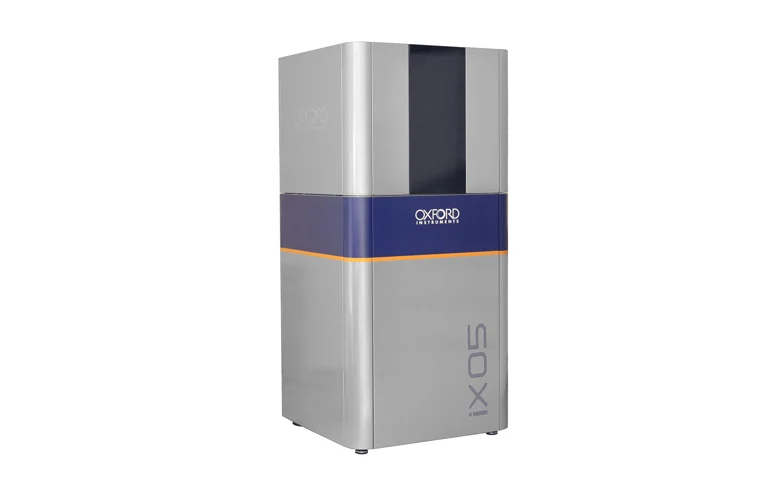
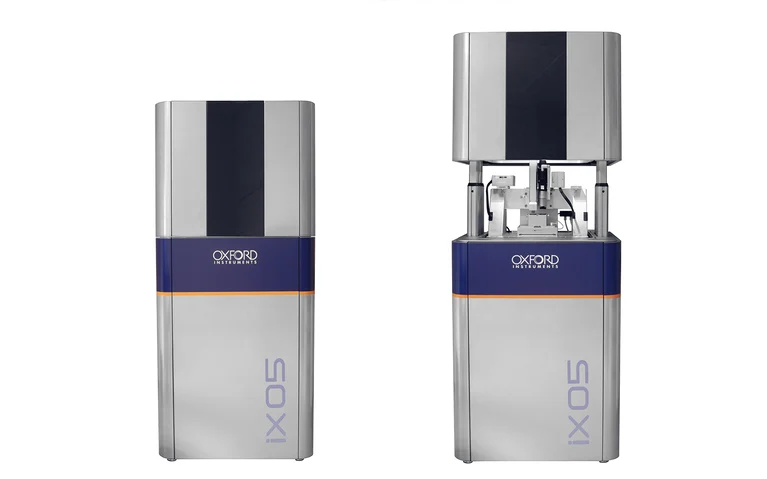
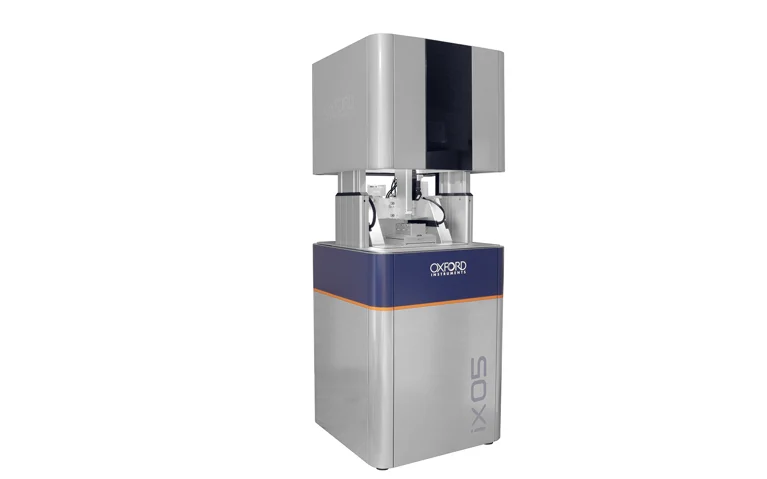
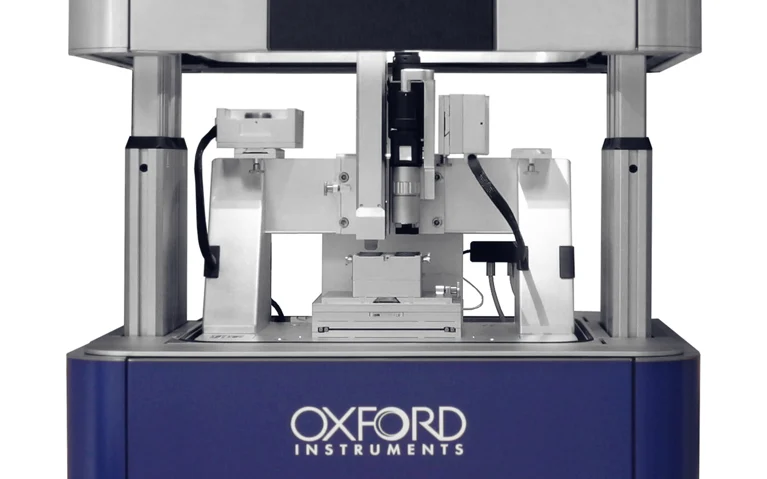
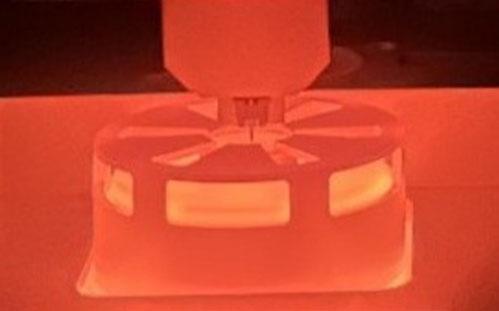
The iX05 offers high-temperature testing up to +800°C and cryogenic testing down to -150°C. It features a motorized chamber with environment control for testing in an inert gas atmosphere or high vacuum, minimizing oxidation and contamination.
-150 °C to +800 °C |
down to 5⋅ 10-4 mBar |
|
| Temperature range | Operating pressure |
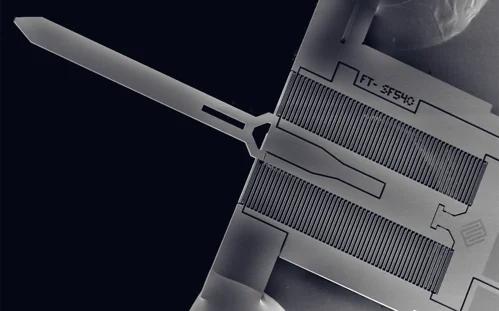
The iX05 enables ultra-fast measurements and mechanical property mapping at speeds up to 30 indents per second. This is possible thanks to the unique combination of fast MEMS-based force sensing and fast FPGA-based control electronics.
100 kHz |
500 kHz |
|
| Sensor resonance frequency | Electronic feedback frequency |
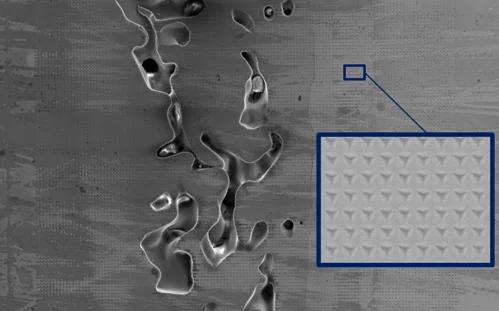
The iX05 offers ultra-high resolution in measurement of force -displacement curve at each test location allowing to capture subtle variations in hardness and elastic modulus across the sample. This is combined with ultra-high precision in the control of indent depth and inter-indent spacing, maintained even across mesoscale mapping areas and samples featuring a mixture of soft and hard phases.
5 pm |
100 pN |
0.5 nm |
| Depth sensing | Force sensing | Sample Positioning |
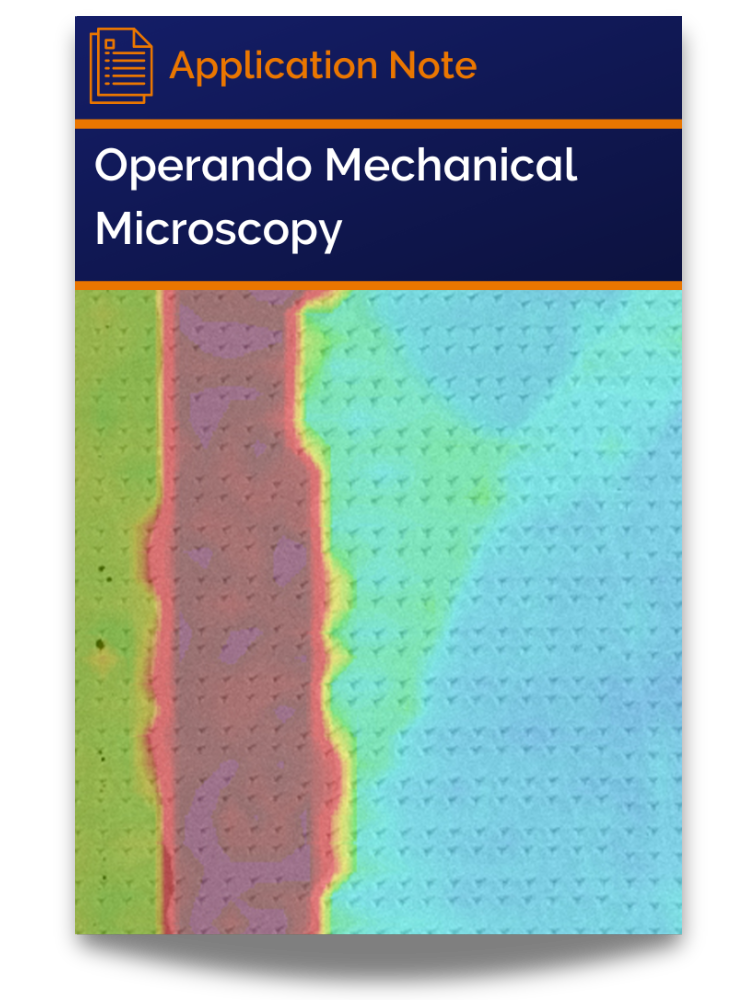
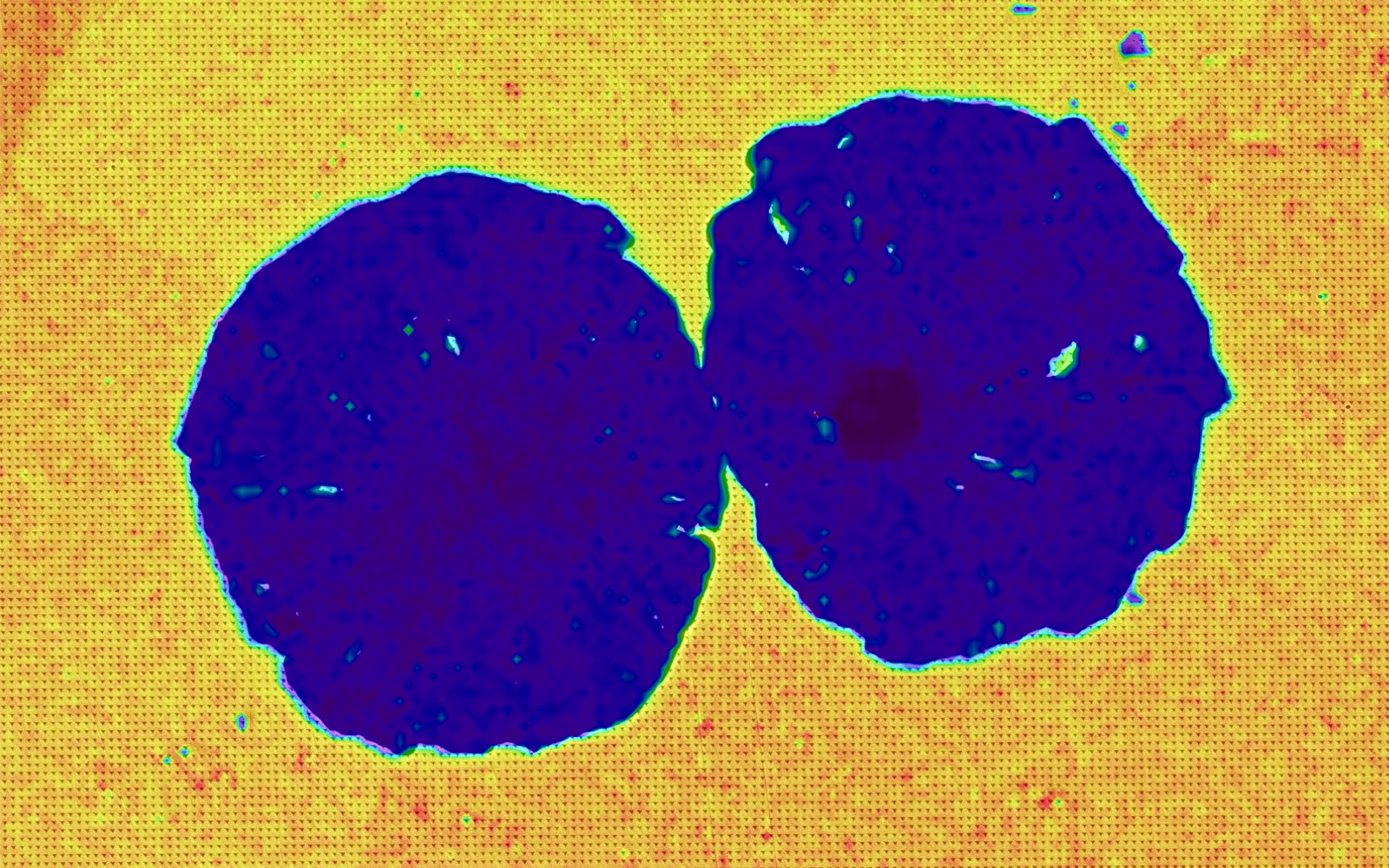
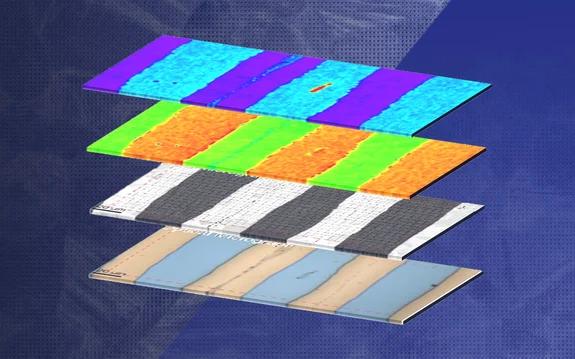
Nanoindentation mapping, or mechanical microscopy, employs a nanoindenter in a microscope-like manner. It enables the mapping of mechanical properties of intricate microstructures in minutes, thanks to the integration of rapid indentation speeds and precise spatial resolution.
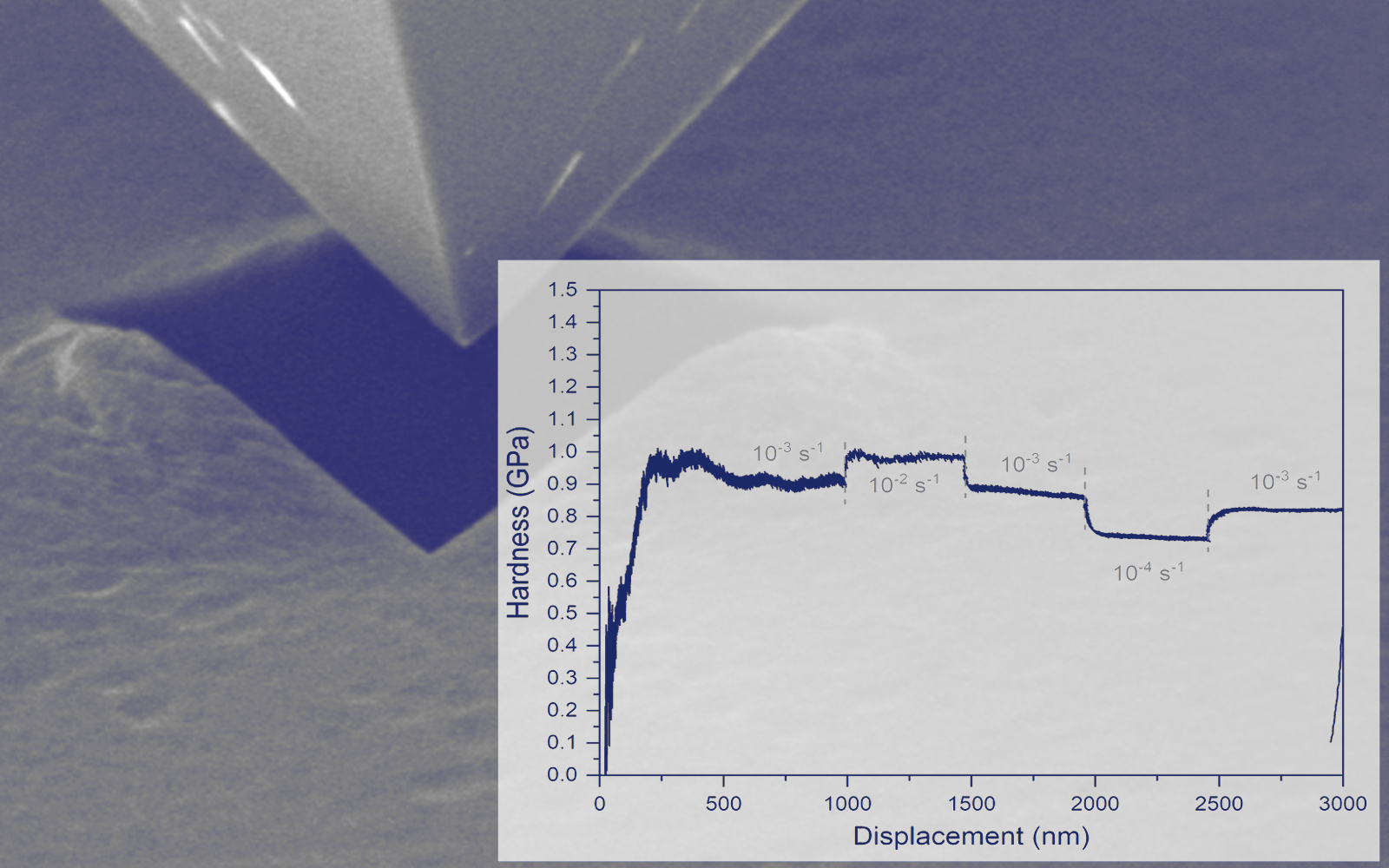
Time, like temperature, is a key parameter for materials deformation. Speed determines the active deformation mechanism. Strain-rate control during testing achieves the most consistent results and allows exploring the material's response from creep to impact, even within a single indent.
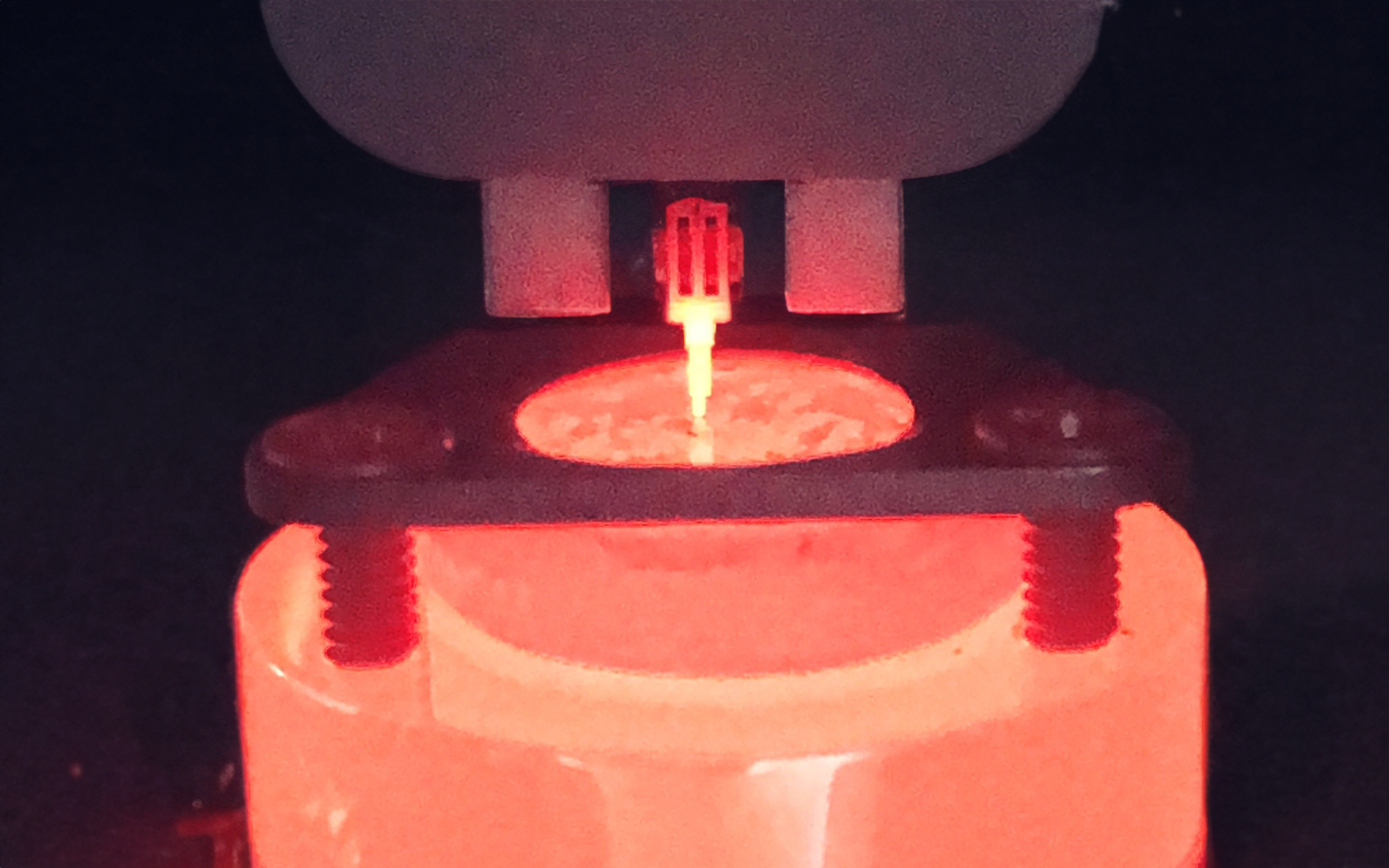
Temperature changes the mechanical behavior of materials. It is crucial for assessing operando mechanical properties, under conditions close to their target application. Using precision MEMS heating to achieve rapid temperature matching and thermal control, stable measurements can be performed even at high temperatures.
Scratch is a critical method for assessing materials’ adhesion, hardness, and resistance to wear - especially for coatings. It provides quantitative data on material durability and performance by scribing a hard tip across the surface and measuring the required force and the resulting topography.
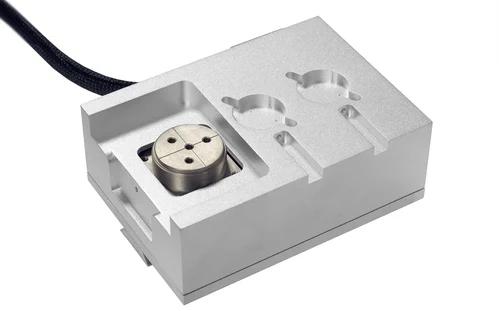
The High Temperature Module enables heating of specimens up to 800°C. In combination with the FemtoTools Microforce sensing Probes with active tip-heating, it makes isothermal nanomechanical testing of samples at various temperatures easy to perform. By performing tests in high vacuum, the oxygen content can be reduced by a factor of one million compared to systems that use inert gas preventing unwanted oxidation.
| Temperature range | Oxidation prevention | |
| FT-X-HT05 | 800 °C | Vacuum |
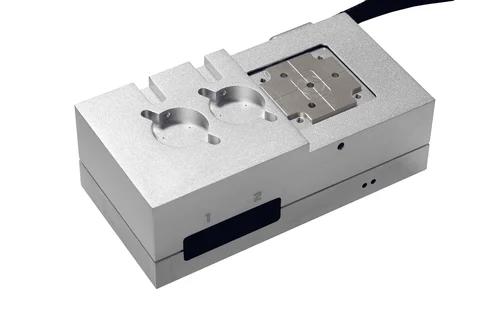
The Cryogenic Temperature Module uses liquid nitrogen as a cooling agent to achieve temperatures as low as -150°C, allowing experiments to be conducted at extremely low temperatures. By operating under high-vacuum conditions, the iX05 effectively prevents condensation-related issues, ensuring smooth and reliable experimentation at cryogenic temperatures.
| Temperature range | Condensation prevention | |
| FT-X-LT05 | -150 °C | Vacuum |
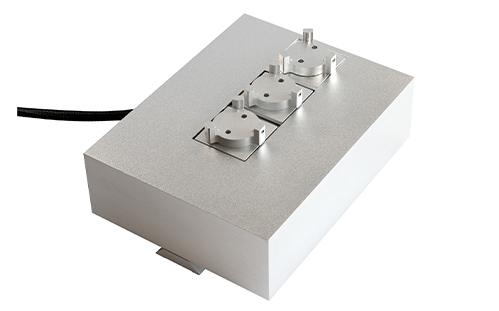
The Scratch Testing Module enables nanoindentation, nano-scratch and nano-wear testing, as well as SPM imaging of residual indents or scratches. The integrated high-resolution piezo-scanning stage ensures smooth, continuous lateral displacement of the sample with simultaneous precise control of the applied axial load.
| Lateral displacement range | Noise Floor (10 Hz) | |
| FT-X-ST05 | 200 µm | 0.4 nm |
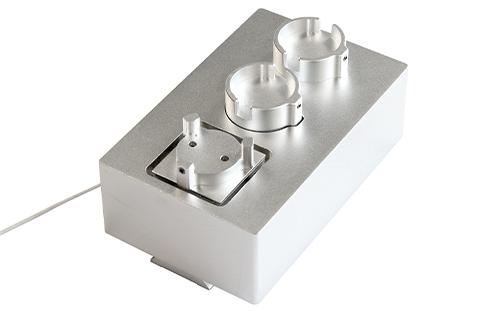
The ultra-fast mapping module boosts the speed of indentation from 3 indents per second to up to 30 indents per second, enabling the generation of high-resolution maps with over 90’000 indents in under an hour. The specialized sample stage is essential for rapidly accelerating, stopping, stabilizing, performing the nanoindentation measurement, and then accelerating to the next indent position in under 33 milliseconds, all while maintaining exceptional accuracy.
| Indentation speed | |
| FT-X-UFM05 | 30 Indents/s |
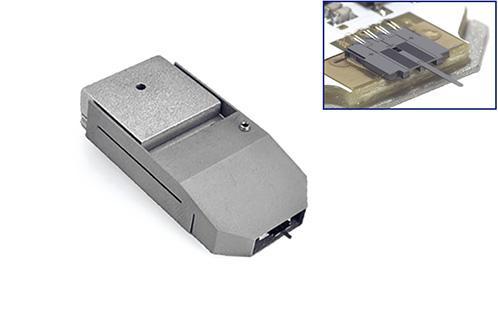
The FT-X Microforce Sensing Probes are compact, MEMS-based sensors delivering high-resolution, high-speed force metrology along the nanoindentation loading axis. They are available with a wide variety of tip materials and geometries, including diamond Berkovich, cube corner, flat punch, wedge, conical, and more.
| Range | Noise Floor (10 Hz) | |
| FT-X200 | +/- 200 μN | 0.1 nN |
| FT-X2’000 | +/- 2’000 μN | 0.5 nN |
| FT-X20’000 | +/- 20’000 μN | 5 nN |
| FT-X200’000 | +/- 200’000 μN | 50 nN |
| FT-X2’000’000 | +/- 2’000’000 μN | 500 nN |
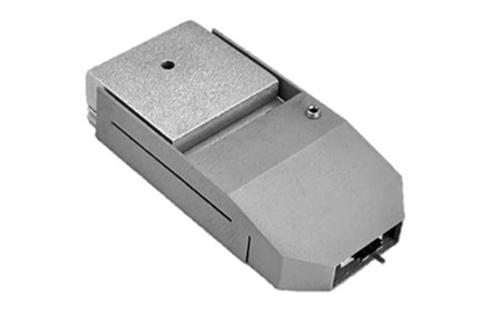
This specialized model of the Microforce Sensing Probe features bi-axial sensing capability, enabling simultaneous measurement of axial and lateral force response at the sample surface. Combined with the Scratch Testing Module, it supports high-resolution friction analysis.
| Axial/lateral range | Noise Floor (10 Hz) | |
| FT-X20'000-2Axis | +/- 20 mN / +/- 20 mN | 10 nN / 10 nN |
This specialized model of the Microforce Sensing Probe is paired with the High-Temperature Module. A monolithically integrated tip heater enables precise matching of the nanoindenter tip temperature to that of the sample, ensuring true isothermal testing conditions.
| Force range | Noise Floor (10 Hz) | |
| FT-X200'000-HT | +/- 200 mN | 100 nN |



FemtoTools AG, Furtbachstrasse 4, 8107 Buchs/ZH, Switzerland, CHE-113.745.251
© Oxford Instruments 2026